







Search Results for: coffee processing plants
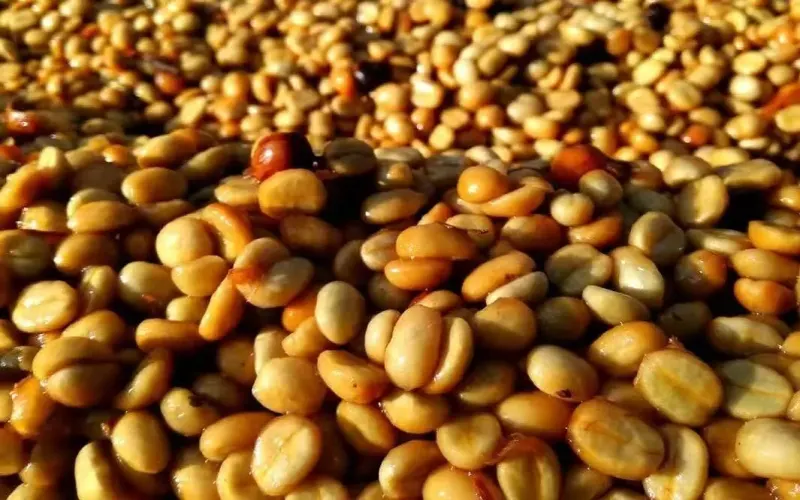
What makes Costa Rican honey-processed coffee so unique? Flavor profile and brewing analysis of Black Honey Caturra from Pilon Treatment Plant
Costa Rica, the birthplace of the honey processing method, has secured a significant place in the international market with honey-processed coffees known for their outstanding sweetness. Front Street Coffee recently selected a black honey processed Caturra from the Pilon Processing Plant in the Tarrazu region, and we're taking this opportunity to give everyone a deeper look into the unique sweetness that honey processing brings to coffee. This article will explore multiple dimensions, including the regional background of the Pilon Processing Plant, the history of the Caturra variety, the processing details of black honey, and the flavor profile and brewing recommendations of this bean, offering a complete picture of a quality black honey coffee from cultivation to cup. [more…]
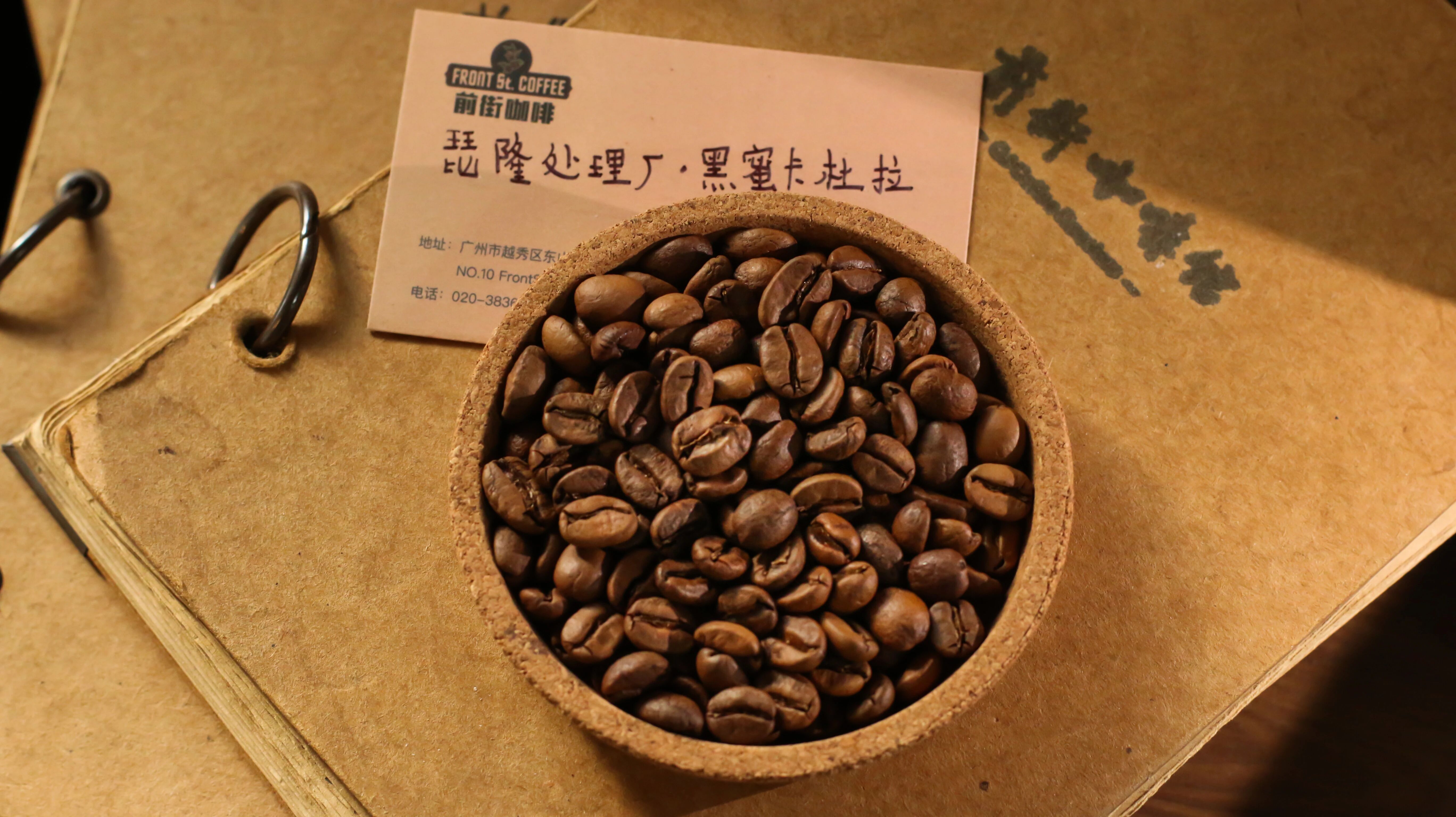
Exploring Costa Rica's Pilon Processing Plant Black Honey Caturra: Where Does the Sweetness Come From and a Full Flavor Analysis
Costa Rica is the birthplace of the honey processing method, and through this technique it has secured an important position in the international specialty coffee market. This article focuses on a newly introduced Caturra with black honey processing from the Pirong processing plant at Front Street Coffee, first outlining the Pirong processing plant's regional background and altitude advantages, then reviewing the origins and cultivation characteristics of the Caturra variety, followed by a systematic explanation of the specific procedures of honey processing and black honey processing and the differences in mucilage retention, and finally, through roasting and cupping, presenting the true flavor performance of this bean in dry aroma and tasting, including grape, berry, floral notes, and a slight fermented feel, helping coffee lovers understand where the abundant sweetness brought by black honey processing comes from. [more…]
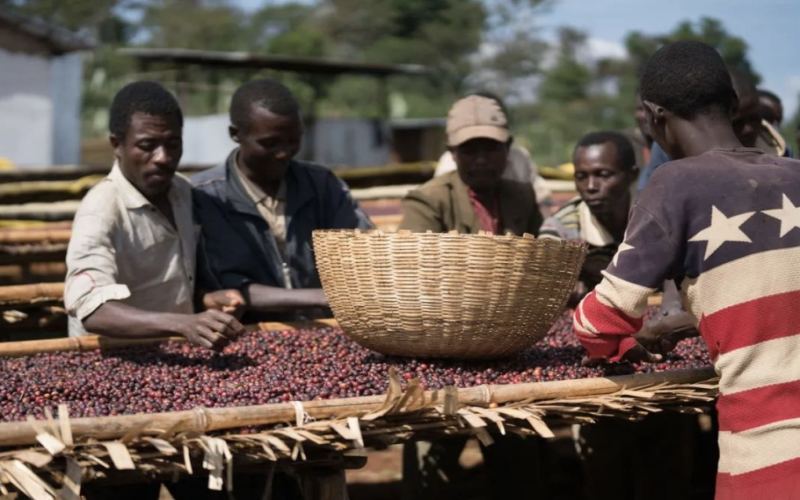
The coffee producing areas, estates, processing plants, and cooperatives, these production units have what kind of differences?
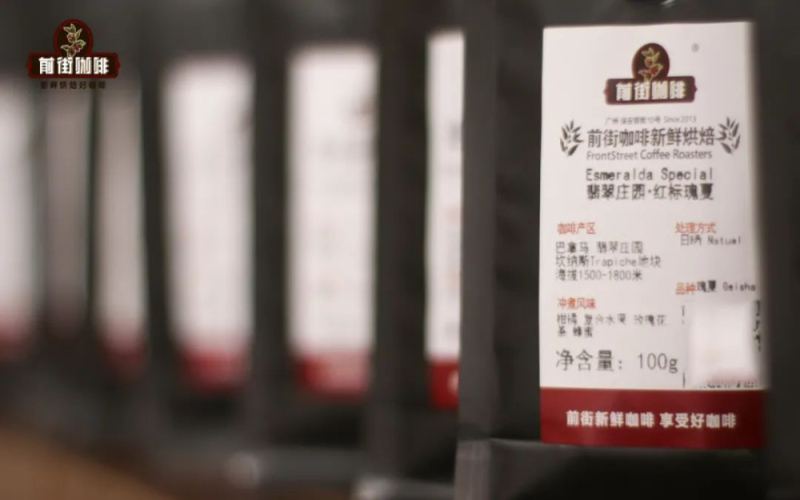
The popularity of gourmet coffee allows us to obtain more detailed planting and production information of coffee beans. These information usually accompanies the sale of coffee beans and is printed on the label of the packaging bag! Bean varieties, p [more…]
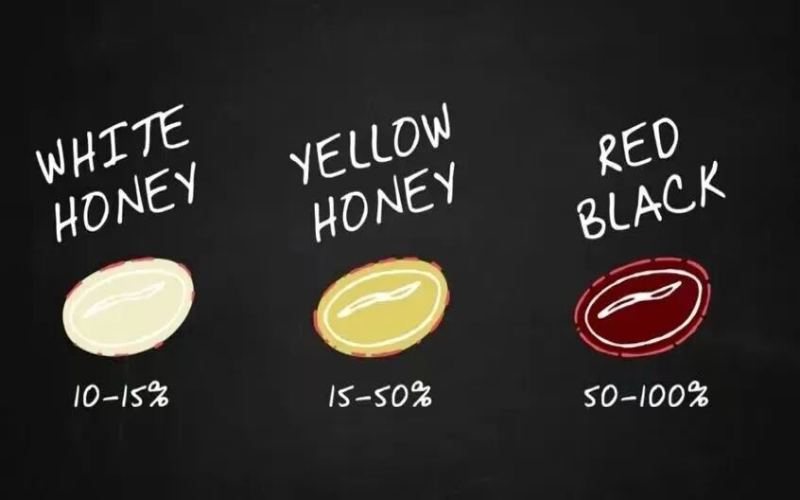
Specialty Pour-Over Coffee Bean Recommendation | What's the Difference Between Red Honey, Yellow Honey, and Black Honey Processing? An Introduction to the Flavor and Mouthfeel of Costa Rica's Pilon Processing Plant Black Honey Process Caturra
"Sweetness" is an excellent trait that can make a bean stand out. At Front Street Coffee, when selling coffee beans, we often have friends ask for "a bean with higher sweetness." When it comes to high-sweetness coffee, Front Street believes that the first thing many people think of is Costa Rican honey-processed coffee! As a honey-processed [more…]
Origin, Producing Region, Processing Plant, Cooperative, and Estate: The Classification Logic Behind Coffee Bean Naming
On specialty coffee bean lists, we often see names at different levels—origin, region, processing plant, cooperative, estate, and so on. What exactly does each of these represent? Why are some beans named after a region, some after an estate, and still others after a processing plant or cooperative? Starting from the definition of specialty coffee, this article will sort out the differences and connections among these concepts one by one, helping you more clearly understand the origin and underlying logic of each bean when you shop for and taste coffee. [more…]
Coffee Regions, Processing Plants, Cooperatives, and Estates: Understanding the Roles in the Supply Chain from Cultivation to Sale
When we talk about specialty coffee, we often hear terms like origin, processing station, cooperative, and estate. They each represent different stages and organizational forms within the coffee supply chain. This article will start with definitions and analyze the differences and connections among these four one by one: how origins are divided into large and small, why processing stations centralize the processing of coffee cherries, how cooperatives help coffee farmers join forces, and why estates enjoy greater autonomy. Understanding these concepts will not only help you more clearly interpret the information on coffee bean labels, but also let you better understand the story behind every cup of coffee when making a purchase. [more…]
Yunnan Small-Bean Coffee Brewing Guide: Typica vs. Catimor Variety Differences and Front Street Coffee Farming Practices
In the Yunnan coffee market, Catimor dominates, but special processing methods are not a long-term solution—Catimor under traditional processing is what is truly worth savoring. Front Street Coffee chose to plant Typica at its Baoshan estate, improving Yunnan coffee's image from the root. This article compares two washed-process Baoshan Catimor and Typica beans, shares a segmented brewing recipe for the Kono dripper along with the flavor results, and discusses the real gaps between the two varieties in yield and growing conditions, as well as Front Street estate's planting layout and future plans. [more…]
Exploring the Flavor Characteristics and Origins of Panama's Green Tip Geisha: From Hacienda La Esmeralda to a Specialty Coffee Legend
Panama, this narrow isthmus connecting North and South America, with its unique microclimates and volcanic soil, has given birth to the world-famous Geisha coffee. From the introduction of Typica in 1780 to Hacienda La Esmeralda's stunning breakthrough in 2004, how did Geisha rise from a windbreak hedge to the pinnacle of fame? What is the difference between green-tip and bronze-tip? This article takes you through the historical trajectory of Panama Geisha, decoding the terroir secrets of core producing regions such as Boquete and Volcán Barú, and reviewing the cultivation characteristics and grading systems of renowned estates like Hacienda La Esmeralda, Elida, and Hartmann, offering a comprehensive presentation of Geisha coffee's legendary charm. [more…]
Starbucks Expands into Yunnan Coffee Regions: Front Street Explains the Flavors and Brewing Characteristics of Each Origin
In recent years, Yunnan coffee has risen prominently, gradually stepping into the public eye with its unique terroir and continuously improving specialty craftsmanship. From Pu'er to Dehong, Lincang, and Baoshan, each producing region displays a distinctly different flavor profile. Since 2013, Front Street Coffee has been conducting Typica cultivation trials in Lincang, accumulating rich origin experience. This article will guide you through a systematic understanding of the distribution of Yunnan's major coffee-producing regions, variety evolution, and processing method characteristics, along with Front Street's brewing parameters and flavor descriptions, helping you gain a comprehensive understanding of this dark horse of domestic coffee. [more…]
Costa Rica Tarrazu San Ramon Washed Beans: A Flavor Story from Mill to Cup and Brewing Parameters
Costa Rica is the first country in Central America to cultivate coffee. Over two centuries, its volcanic terroir and microclimates have nurtured world-class quality. This article takes you into the San Román processing plant in the Tarrazú region to understand how its washed process shapes a thick, full-bodied sweetness reminiscent of bitter-sweet chocolate and butterscotch, along with a restrained wine-like acidity. It also shares Front Street Coffee's manual brewing parameters and provides an overview of Costa Rica's seven major coffee regions and the industry at large. Whether you want to understand the processing plant revolution or are looking for your next everyday daily brew, this article has you covered. [more…]
Flavor Analysis of Honduras San Vicente Mill Pacas Coffee Beans and V60 Brewing Parameters Guide
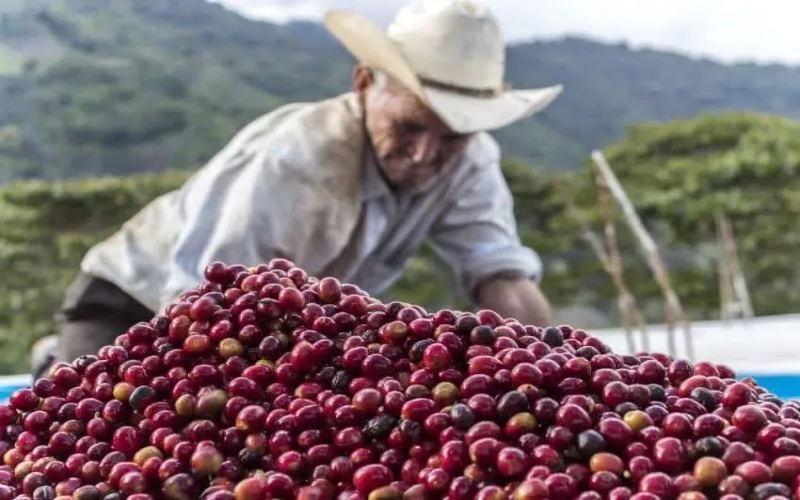
The Copán region of Honduras is renowned for its chocolate-toned profile blended with honey-caramel sweetness, and the San Vicente processing plant is a frequent winner at the Cup of Excellence. The Pacas coffee beans cupped by Front Street Coffee this time come from smallholder Edgardo Tinoco near the San Vicente processing plant; after washed processing, they present a rich layering of black cherry, dark chocolate cake, almond and caramel. This article will sort through information on the Honduran growing region, the background of the San Vicente processing plant, the characteristics of the Pacas variety and the washed processing flow, and share Front Street's roasting records, cupping reports and V60 staged pouring insights, helping coffee lovers fully understand this bean's flavor thread and brewing key points from origin to cup. [more…]
How Does Typica Differ from Catimor? A Comparative Analysis of the Varietal Flavors and Brewing of Yunnan Baoshan Coffee Beans
In the Yunnan coffee market, the Catimor variety accounts for the vast majority. To mask some of Catimor's inherent flaws, many producers turn to special processing methods to reshape the flavor, but Front Street Coffee has always held that relying on processing methods to alter coffee's performance is not a sustainable strategy—consumers mostly approach special processing methods with a curiosity for novelty, while traditional processing methods are what they are truly willing to accept long-term. If traditional processing methods are applied to Catimor, it can also present a pleasantly enjoyable cup after brewing. So how can the public be left with a good impression when drinking traditionally processed Yunnan coffee? The answer is to start from the source—the variety. At its Baoshan estate in Yunnan, Front Street primarily cultivates Typica, precisely in the hope of leading by example and driving a transformation in the image of Yunnan coffee. This article will compare the actual differences between the two varieties, Typica and Catimor, from multiple angles including cultivation yield, estate environment, and brewing flavor. [more…]
From Idido to Aricha: The Origins of Yirgacheffe Red Honey and Natural Processing Plants and Their Flavor Comparison
The Aricha processing station in Ethiopia's Yirgacheffe region, originally named Idido, was once owned by the well-known coffee trader Abdullah Bagersh. Although it later changed owners and names, its processing standards and quality have continued to this day. This article will trace the relationship between Idido and Aricha, introduce the operating model of the Yirgacheffe Coffee Farmers' Cooperative Union (YCFCU), and present Front Street Coffee's roasting recommendations and flavor descriptions for two beans—Yirgacheffe Red Honey Red Cherry and Natural Aricha—offering an in-depth look at the processing techniques and cup performance of the Misty Valley micro-region. [more…]
Exploring Ethiopia Sidamo: A Comprehensive Analysis of the Santavini Processing Plant 74158 Coffee Beans
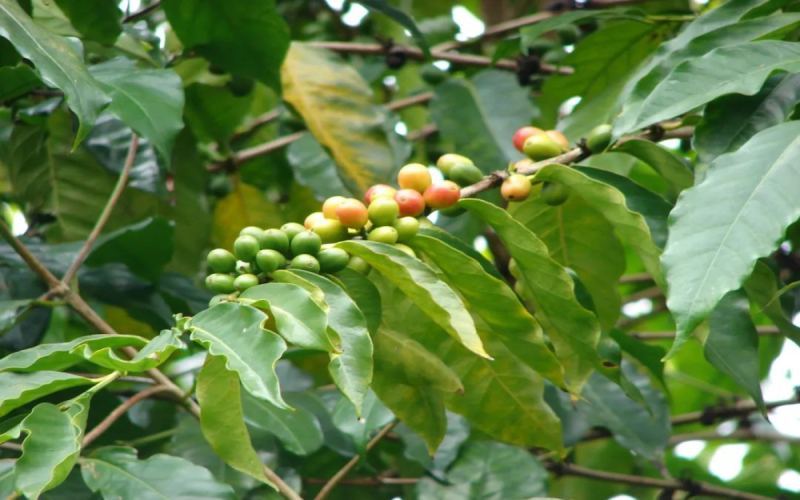
Ethiopia, as the birthplace of coffee, boasts a rich variety of native heirloom varieties and unique natural conditions. The Sidama region, with its high altitude, fertile volcanic soil, and abundant rainfall, has become synonymous with high-quality coffee. The Santa Vini processing station, a high-altitude processing facility under DWD Company, processes the 74158 variety using a 96-hour anaerobic natural method, presenting tropical fruit flavors such as pineapple and citrus along with a full-bodied mouthfeel. Front Street Coffee has selected this bean and brews it using a V60, a 1:15 coffee-to-water ratio, and 92°C water temperature, delivering fermented wine aromas and a sweet red wine aftertaste that coffee enthusiasts will savor. [more…]
A Complete Guide to Costa Rica San Román Pour-Over Parameters, Flavor Characteristics, and Regional Background
Costa Rican San Ramon coffee is known for its berry aroma, caramel sweetness, and robust body. This article compiles the pour-over extraction data for Front Street Costa Rican San Ramon and systematically introduces the historical status of Costa Rican coffee, the distribution of its seven major producing regions, the washed processing method of the San Ramon processing plant, and product information for Front Street Royal Coffee. From 15 grams of grounds, a water temperature of 88-89°C, to a 1:15 coffee-to-water ratio, this brewing method does a good job of bringing out San Ramon's creamy sweetness and subtle spicy finish, making it suitable reading and reference for enthusiasts who want to gain a deeper understanding of Costa Rican specialty coffee. [more…]
Kenya Thika Region Asali Processing Plant: An In-Depth Analysis of SL28 and SL34 Varieties and the K72 Washing Method
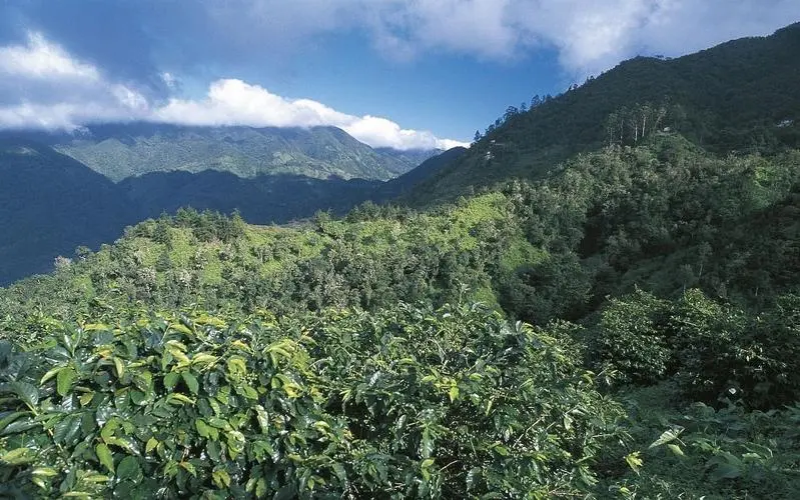
Kenya, as an important representative of African specialty coffee, produces uniquely flavored coffee thanks to its high equatorial altitude and volcanic soil. This article focuses on the Asali Processing Plant in the Thika region, outlining the breeding background and flavor differences of the two major varieties SL28 and SL34, and explaining in detail Kenya's signature K72 washed processing method. It also presents the complete parameters and brewing performance of Front Street Coffee Asali AA TOP, whose layered notes range from cherry tomato to smoked plum, showcasing the typical charm of Kenyan coffee's bright acidity and clean mouthfeel. [more…]
How much does Wudong Dancong tea in an iron tin cost? A detailed explanation of Phoenix Dancong's shelf life and storage duration
Many people wonder why some teas have the characters "single bush" in their names—like the common Phoenix Dancong, aged Phoenix Dancong, and frozen Wudong Dancong. To understand this naming convention, we need to start with the definition of Phoenix Dancong: it is made by selecting superior individual bushes from the Phoenix Shuixian population, which are then cultivated, picked, processed, and sold separately. These tea trees, processed using the single-bush method, are collectively called Phoenix Dancong. In contrast is the blending process used for Pu'er tea: to create different flavors, tea makers blend leaves from different mountains, seasons, and tenderness levels. Of course, some Pu'er enthusiasts prefer single-bush ancient tree tea. It is precisely for the convenience of cultivation and management, picking and processing, and consumer purchasing that Phoenix tea farmers classify and name tea trees based on tree morphology, finished tea characteristics, and growing environment. Accumulated over generations, this has formed hundreds of strains and varieties. This article will explain the issues everyone cares about regarding Wudong Dancong: its tin box packaging, market price, shelf life, and storage time. [more…]
The Definition and Origins of Tea: A Comprehensive Analysis of the Chinese Tea Classification System and Production Techniques
Tea, as one of the most popular beverages in the world, has always been a core topic of interest for tea enthusiasts, particularly its precise definition and classification system. This article will start from the essence of tea leaves, systematically outline the classification criteria for Chinese tea, trace the historical journey of tea from China to the world, and provide a detailed analysis of the complete production process from tea cultivation to leaf picking. Additionally, it will explain the differences between true tea and herbal teas, as well as the impact of key steps such as high-altitude cultivation and hand-picking on tea quality. Whether you are a coffee enthusiast just starting out or a seasoned drinker with extensive knowledge of tea culture, you will gain clear and professional insights from this. [more…]
Kenya Thika Region Asali Processing Plant: Flavor Analysis of SL28 and SL34 Coffee Beans
Kenya is an important representative of African specialty coffee, and its Thika region is renowned for its distinct tomato-like flavor and excellent acidity. Located in the Aberdare Mountains, the Asali Processing Station employs Kenya's signature K72 washing process, paired with the local main varieties SL28 and SL34, presenting a complex flavor interweaving cherry tomatoes, smoked plums, berries, and citrus. This article will guide you through Kenya's geographical and climatic conditions, the cultivation characteristics of the Thika region, the 72-hour fermentation process at the Asali Processing Station, and the origins and flavor profiles of SL28 and SL34, as well as sharing Front Street Coffee's brewing recommendations. [more…]
Yunnan Coffee Bean Varieties Explained: What Is Arabica? The Difference Between Catimor and Typica, and the Front Street Planting Story
Yunnan coffee is transitioning from a bulk commodity to a specialty-producing region, yet many people still have only a vague understanding of its varieties. This article begins with the century-long history of coffee introduction in Yunnan, sorts out the characteristic differences between the two major varieties, Typica and Catimor, explains why Catimor now accounts for more than ninety percent of Yunnan's planted area, and shares Front Street's hands-on experience of cultivating Typica in Lincang and launching the "Front Street 2013" sun-dried beans. The article also includes the brewing parameters and flavor description for Front Street's Yunnan small-bean everyday coffee, helping coffee enthusiasts gain a comprehensive understanding of Yunnan arabica coffee's past, present, and performance in the cup. [more…]